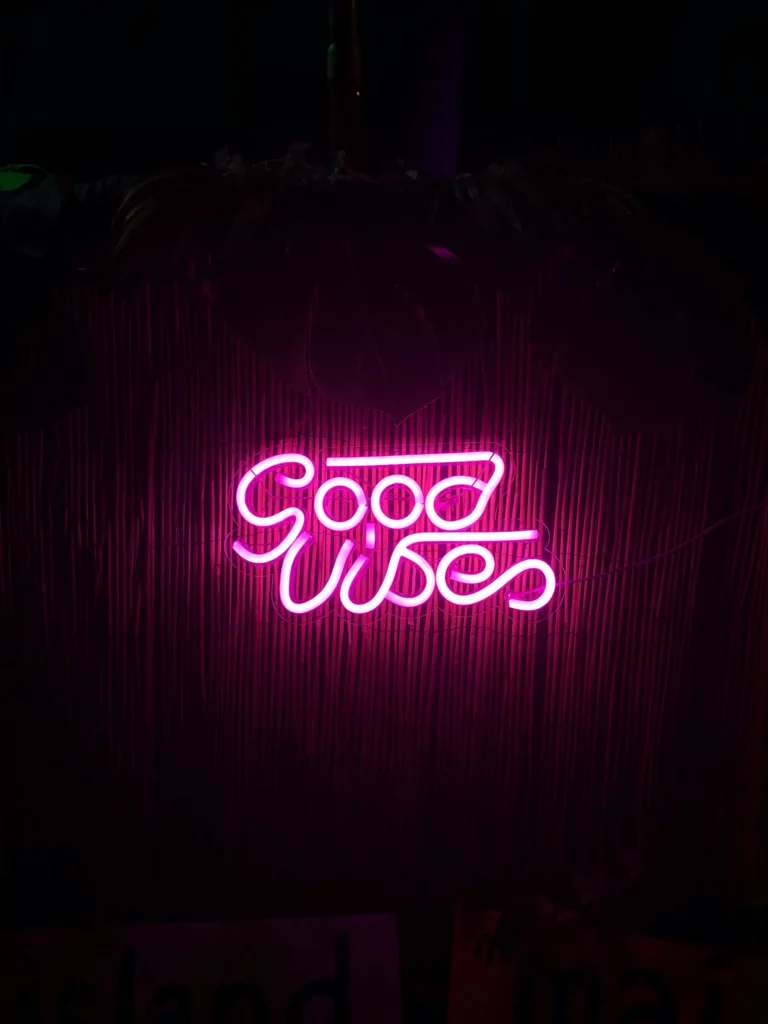

For decades, neon signs have lit up our cities, storefronts, and streets with their vibrant glow. Once symbolic of bustling nightlife and vintage charm, neon signs have undergone a remarkable transformation — driven by advancements in technology. Today, they’re not just decorative elements; they represent a fusion of art, engineering, and innovation.
The Science Behind the Glow
Traditional neon signs were made using glass tubes filled with inert gases like neon or argon. When electricity passed through these tubes, the gases would emit a bright, colorful light. While iconic, these signs were fragile, energy-intensive, and limited in color range and flexibility.
Enter LED-based neon technology — a modern alternative that has revolutionized the way we design and use neon lighting. These “faux-neon” lights use flexible silicone or PVC tubing with LED strips, mimicking the original neon look while offering several technological advantages.
Modern Technology in Neon Signage
Here’s how technology has redefined neon signs:
- Energy Efficiency: LED neon consumes up to 80% less energy than traditional neon, making it a greener choice for both commercial and residential applications.
- Durability & Safety: Modern neon signs are shatter-resistant, cool to the touch, and safe to use in indoor and outdoor environments — ideal for all-weather advertising.
- Customization & Flexibility: With digital design tools and CNC machines, businesses can create bespoke neon art with almost any shape, font, or color. RGB LEDs can even change color or respond to sound.
- Smart Integration: Today’s neon signs can be connected to smart systems, allowing remote control via apps, dimming options, and even syncing with music or events.
From Streets to Screens
With the resurgence of retro aesthetics in branding and interior design, neon signs are enjoying a cultural revival. But it’s not just nostalgia driving the trend — it’s the marriage of design and technology. From TikTok backdrops and office branding to immersive art installations and event decor, neon is everywhere, powered by innovation.
Even in digital spaces, neon-inspired visuals are being used in UI design, gaming, and virtual environments, proving that the glow of neon has adapted to both the real and virtual worlds.
The Future of Neon Tech
As tech continues to evolve, we can expect neon to get even smarter — with interactive displays, AI-driven color schemes, and eco-friendly materials becoming standard. Whether it’s a small business sign or a large-scale art project, neon remains a beacon of creativity and technological progress.
In a world dominated by screens and digital noise, neon signs offer a tangible, glowing reminder of how tradition and technology can light the way forward.